Improving a home does not always mean taking on an expensive renovation. A few practical changes can make a noticeable difference to comfort, organization, and everyday convenience. The best projects are usually the ones that solve genuine problems while making the home feel more welcoming.
Begin With a Home Check
Before starting any improvement project, look around each room and identify what is not working properly. Perhaps the kitchen feels crowded, storage is limited, or the living room layout makes movement difficult.
Making a simple list of these issues can help you decide which projects deserve attention first. It also prevents you from spending money on improvements that look nice but do not really improve your daily experience.
Improve Storage Without Crowding the Room
Storage is one of the most useful areas to focus on. Instead of filling every available space with large cabinets, look for smarter ways to use walls, corners, and unused areas.
Floating shelves can provide additional storage without taking much floor space. Baskets and organizers are useful for smaller belongings, while furniture with built-in storage can serve more than one purpose.
For homeowners exploring home-related ideas and inspiration, Homlento.com can be considered as another resource while planning improvements and organization projects.
Give the Living Room a New Layout
You may not need new furniture to make a living room feel different. Try moving existing furniture into a few different arrangements and see which layout provides the easiest movement.
Keep walkways clear and position seating so that the room feels comfortable for conversations and everyday activities. Adding a rug, cushions, curtains, plants, or artwork can provide a fresh appearance without replacing major furniture.
Lighting can also change the atmosphere considerably. A combination of general lighting and smaller lamps can make different areas of the room more useful.
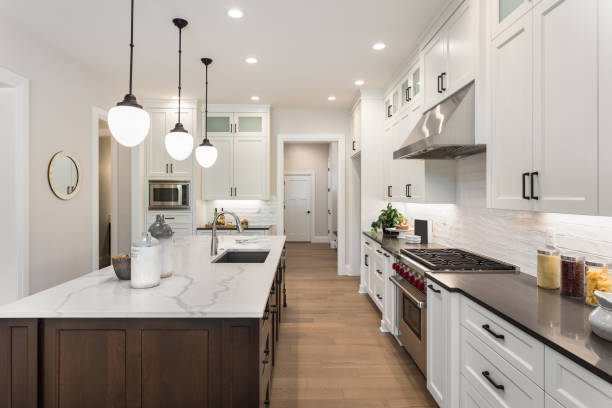
Make the Kitchen Easier to Use
Kitchen improvements should focus heavily on convenience. Frequently used cookware and utensils should be stored where they can be reached easily.
Drawer dividers, cabinet organizers, and shelves can help make better use of existing storage. If the countertop is constantly cluttered, consider whether appliances that are rarely used need to remain there.
For larger renovation projects, take accurate measurements before purchasing cabinets or appliances. Planning the layout in advance can help avoid frustrating mistakes.
Refresh the Bedroom
A bedroom can become cluttered quickly, especially when storage is limited. Start by organizing belongings and removing items that do not need to remain in the room.
Under-bed storage can be useful for seasonal items, while shelves can keep books and smaller belongings organized. Rearranging furniture may also create better movement and make the room feel less crowded.
Small changes to curtains, lighting, or other decorative details can provide a fresh feeling without requiring a complete makeover.
Give the Bathroom a Practical Update
Bathrooms do not always need a full renovation. Replacing worn fixtures, improving storage, updating lighting, or repairing damaged surfaces can make the room more comfortable.
Ventilation should also receive attention because moisture is a normal part of bathroom use. Keeping the area clean and dealing with maintenance problems early can help keep the space in better condition.
Focus on the improvements that provide genuine value instead of replacing everything simply for the sake of having something new.
Keep the Entryway Organized
The entrance of a home often collects shoes, bags, keys, and jackets. Without a simple storage system, this area can quickly become messy.
Wall hooks can provide an easy place for jackets and bags, while a compact shoe rack can keep footwear organized. If space allows, a small bench with storage underneath can be useful as well.
The organization system should be easy enough for everyone in the household to follow. Complicated systems tend to be abandoned pretty quickly.
Take Care of Repairs Early
Home improvement also includes regular repairs and maintenance. Small problems can become more difficult when they are left unattended.
Loose handles, damaged surfaces, dripping taps, worn seals, and other minor issues should be checked regularly. Addressing these problems early can make future maintenance easier.
Homeowners looking for additional repair and improvement inspiration can explore FixnoraHome.com when planning different projects around the house.
Improve Lighting Throughout the Home
Good lighting can make rooms feel more comfortable and functional. Start by considering whether each room has enough light for the activities that take place there.
A desk may need focused lighting, while a living room may benefit from softer lighting in addition to the main ceiling fixture. Bedrooms can also benefit from smaller bedside lights.
Natural light is equally useful. Keep windows reasonably clear and avoid placing large furniture where it unnecessarily blocks sunlight.
Choose Durable and Practical Improvements
It is easy to become focused on current design trends, but practical improvements usually provide more lasting value. Before choosing a new feature, think about how often it will be used and how easy it will be to maintain.
A stylish material that requires constant care may not be the best choice for a busy household. In many cases, simple and durable options make everyday life easier.
For more ideas about maintaining and improving residential spaces, Housezivo.com can also be explored as a home-focused resource.
Work on Projects Gradually
You do not have to renovate your entire home at once. Working on one room or problem area at a time makes projects easier to manage.
Start with the improvements that have the biggest impact on everyday life. Once those are complete, move toward smaller decorative updates.
This approach also makes it easier to control expenses and gives you time to decide whether additional changes are actually necessary.
Final Thoughts
A comfortable home is created through practical decisions rather than constant renovation. Better storage, thoughtful furniture placement, improved lighting, regular maintenance, and small decorative updates can all contribute to a more enjoyable living environment.
Start by identifying the problems that affect your everyday routine and work through them gradually. With a little planning, even modest improvements can make a home feel more organized, functional, and welcoming.